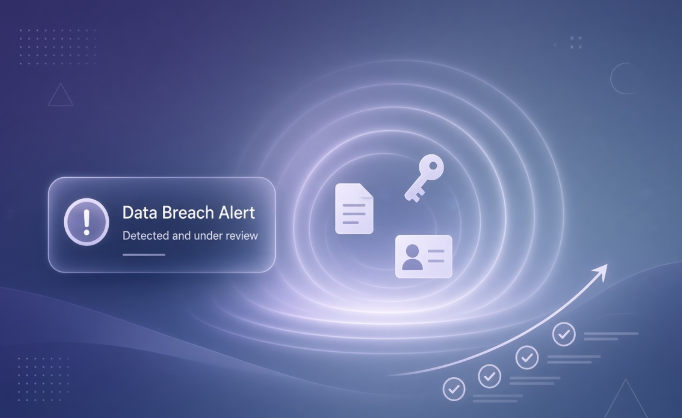
Getting a notification that your personal information was involved in a data breach can feel unsettling. The message may arrive by email, letter, or news report, and it often leaves people unsure where to start. The most important thing is not to panic—and not to ignore it either. Most of the practical damage from a breach can be limited if you act methodically in the first hours and days.
The steps below focus on what an ordinary person can do right away. They work whether the exposed data includes passwords, email addresses, payment details, or more sensitive identity information. The exact actions depend on what was compromised, but the sequence stays consistent: confirm the incident is real, contain the accounts at highest risk, then add longer-term protections.
First: Confirm the Breach Is Legitimate
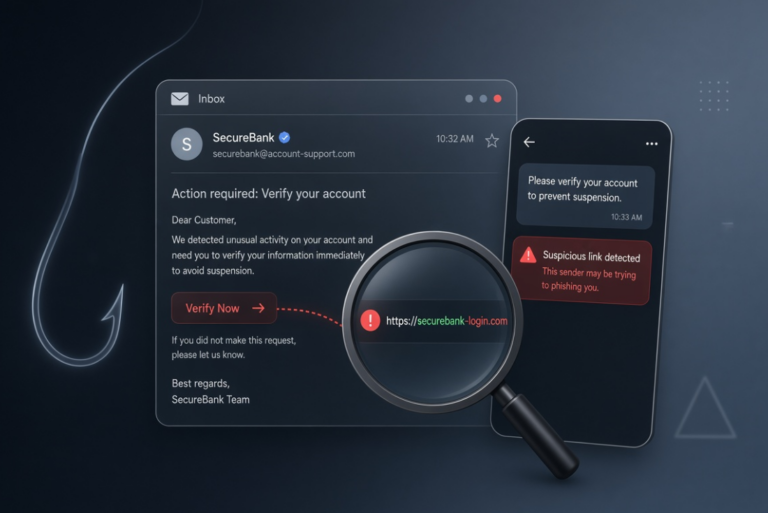
Scammers frequently impersonate companies that have suffered real breaches. They send fake “urgent security notices” designed to trick you into clicking a link or providing more information. Before you act on any notification, verify it independently.
Go directly to the company’s official website by typing the address yourself or using a bookmark you already trust. Look for an official statement about the incident. You can also search reputable news sources for coverage of the breach and check a trusted service such as Have I Been Pwned to see whether your email address appears in known incidents. Avoid clicking links or calling phone numbers that appear only in the suspicious message.
Once you confirm the breach is real, note exactly what categories of data the company says were affected. That detail determines how aggressive your next steps need to be.
Secure the Most Important Accounts First
Start with the account that was directly involved in the breach. Change its password immediately to a long, unique one that you have never used anywhere else. If the site supports multi-factor authentication or passkeys, enable the strongest option available.
Next, protect your primary email account. Email is the recovery key for almost everything else. Even if the breach did not involve your email provider, change that password and confirm multi-factor authentication is turned on. Review any recovery phone numbers or backup emails listed on the account and make sure they still belong to you.
Then move to financial accounts—banking, credit cards, investment platforms, and payment services. Change passwords, review recent transactions for anything you do not recognize, and turn on real-time alerts for purchases, transfers, or login attempts. If payment card numbers were exposed, contact the issuer and ask whether a replacement card is warranted.
Finally, check any other accounts where you may have reused the same or a similar password. Credential stuffing attacks rely on exactly this habit. A password manager makes it far easier to generate and store unique credentials going forward.
Protect Against New Account Fraud
If the breach included sensitive identity information such as a Social Security number, driver’s license number, or full date of birth, consider placing a credit freeze or at least a fraud alert with the major credit bureaus. A freeze restricts access to your credit report, making it much harder for someone to open new accounts in your name. You can place and lift freezes directly with each bureau; the process is free.
A fraud alert is a lighter step that tells lenders to take extra verification steps before approving new credit. It is useful when you want monitoring without the extra friction of a full freeze.
In the United States, you can also create a free account at IdentityTheft.gov. The site helps you understand what was exposed and generates a personalized recovery plan. If you later discover actual identity theft, the same site walks you through filing an official report.
Monitor and Stay Alert for Follow-On Attacks
After a breach, opportunistic phishing often increases. Scammers reference the incident to create urgency—“We need to verify your information after the recent breach”—and try to collect additional data or credentials. Treat any unexpected message that mentions the breach with extra skepticism. Verify through official channels rather than replying or clicking.
Continue reviewing financial statements and account activity for several weeks. Set calendar reminders if needed. Many fraudulent charges or new account attempts appear days or weeks after the initial exposure.
If a phone number was compromised, contact your mobile carrier and ask about adding a PIN or port-out protection. This reduces the risk of a SIM-swap attack that could intercept multi-factor codes.
Longer-Term Habits That Reduce Future Impact
A breach is a good moment to raise your overall baseline. Use a password manager so every account has a unique credential. Prefer passkeys or authenticator-app multi-factor authentication over SMS where possible. Keep recovery information current and limited. Consider whether you still need every online account that holds personal data; closing unused accounts shrinks the surface area for the next incident.
Some companies offer free credit monitoring or identity-protection services after a breach. These can be useful for a period, but they do not replace the core steps of changing credentials, enabling strong authentication, and freezing credit when sensitive data is involved.
What to Do If You Suspect Identity Theft Has Already Started
If you see accounts you did not open, charges you do not recognize that the bank will not reverse easily, or other clear signs of misuse, document everything. Report the identity theft at IdentityTheft.gov to generate an official recovery plan and report. Contact the fraud departments of the affected companies and, if appropriate, file a local police report. Keep records of every conversation, including dates, names, and reference numbers.
Frequently Asked Questions
Should I change every password I have after any breach?
Focus first on the breached account, your email, financial services, and any place you reused the same password. Expanding from there is wise, but the highest-risk accounts come first.
Is a credit freeze difficult to manage?
It requires contacting each bureau and using a PIN or password to lift the freeze when you legitimately need new credit. Many people find the extra step worthwhile for the protection it provides.
How long should I keep monitoring after a breach?
At least several months. Some fraudulent activity appears quickly; other attempts surface later. Ongoing transaction alerts and periodic credit-report checks help.
What if the company offers free credit monitoring?
Accept it if it is convenient, but treat it as a supplement rather than a substitute for changing passwords, enabling multi-factor authentication, and considering a freeze when identity data was exposed.
Can I ignore a breach if only my email address was leaked?
Email addresses alone increase spam and targeted phishing risk. Strengthening the email account itself and remaining alert for follow-on messages is still worthwhile.
A data breach is disruptive, but the response does not have to be chaotic. Verify the incident, secure the most critical accounts with unique credentials and strong authentication, add credit protections when sensitive identity data is involved, and stay watchful for both fraudulent activity and follow-on scams. These steps close the most common paths attackers use after information is exposed and give you a clearer sense of control while the situation settles.
About the Author